Why Your Indoor Basil Keeps Dying: 7 Causes, by Symptom
Basil is the hardest common herb to keep alive indoors. Work backwards from what you actually see on the plant to the seven most likely causes and their fixes.

Basil kills more indoor gardens than any other common herb. It isn’t fussy in the way an orchid is fussy — it just has almost no tolerance for the gap between “good enough” and “actually enough” light, water and warmth. Most guides tell you what basil wants in general. This one starts from the plant in front of you and works backwards.
Start here: match the symptom
| What you see | Most likely cause |
|---|---|
| Tall, pale, widely-spaced leaves | Not enough light |
| Yellow lower leaves, soft stem base | Overwatering |
| Wilting despite damp soil | Root rot (follows overwatering) |
| Crispy brown edges, droopy between waterings | Underwatering |
| Black or dark patches after a cold night | Cold damage |
| Fine webbing, tiny pale speckles on leaves | Spider mites |
| Stunted, several stems fighting in one pot | Overcrowded roots |
| Small flower spikes, leaves turning bitter | Bolting (flowering) |
1. Not enough light
This is the single most common cause, and it’s the one people most often misread as a watering problem because the symptoms — a plant that looks “weak” — overlap.
How to tell: stems stretch upward and lean toward the window, leaves get smaller and lighter green further up the plant, and the spacing between leaves increases. This is called legginess, and it does not reverse — you can only manage it going forward.
Fix: basil wants 6+ hours of direct sun, or a dedicated grow light running 12–14 hours a day. If your window can’t deliver that, see our clip-on grow light comparison for what to look for, and how far to hang it once you have one.
2. Overwatering
Basil’s roots need to breathe. Constantly wet soil suffocates them long before the leaves show it.
How to tell: lower leaves turn yellow and drop, the stem base near the soil feels soft, and the compost stays visibly wet for days after watering.
Fix: water only when the top 2cm of soil is dry to the touch. Never let the pot sit in a full saucer. If the pot has no drainage hole, that’s very likely your root cause on its own.
3. Root rot
Root rot is what overwatering turns into if it isn’t caught. By the time you see it above soil, the damage below soil is usually already significant.
How to tell: the plant wilts even though the soil is damp — because the roots that would carry water to the leaves have died. Pull the plant gently and check: healthy roots are pale and firm; rotten roots are brown, mushy, and often smell sour.
Fix: trim off the black, mushy roots, repot into fresh, dry potting mix with good drainage, and water sparingly for the next two weeks while it recovers. A plant caught early often survives; one caught late usually doesn’t.
4. Underwatering
Less common than overwatering indoors, but it happens, especially in small pots on a warm, sunny sill.
How to tell: leaves droop between waterings and perk back up shortly after you water, edges go crisp and brown, and the soil pulls away from the sides of the pot.
Fix: water more consistently — basil in a small pot on a bright sill can dry out daily in summer. A wider, deeper pot buys you more of a buffer; see the container depth guidance in the beginner setup checklist.
5. Cold damage
Basil is a warm-weather plant that hates anything under about 50°F (10°C), and a windowsill gets colder than the room around it — especially at night, and especially behind a closed curtain, which traps cold air against the glass.
How to tell: dark, water-soaked-looking patches appear on leaves after a cold night, sometimes followed by the whole leaf collapsing within a day or two. This looks alarming but is often localized — the rest of the plant can recover.
Fix: move the pot a few inches back from the glass overnight, especially in winter, and don’t grow basil behind a curtain that gets drawn at night.
6. Spider mites
Dry indoor air, especially from central heating, is exactly what spider mites like — see common indoor plant pests for what else to watch for beyond basil.
How to tell: fine, pale speckling on leaves (stippling), and in worse cases, faint webbing between stems. Hold a sheet of white paper under a leaf and tap it — if tiny specks fall and start moving, that’s mites.
Fix: rinse the whole plant thoroughly in the sink or shower, focusing on the undersides of leaves, and increase humidity around the plant. Repeat every few days until you stop seeing new stippling. Isolate the plant from others while you treat it.
7. Bolting (flowering)
Not a failure exactly, but it ends productive growth if you let it run.
How to tell: small white or purple flower spikes appear at the growing tips, and leaf flavour turns noticeably more bitter around the same time.
Fix: pinch flower buds off the moment you see them, and keep pinching the growing tips generally — this is also how you get a bushier plant instead of one tall stem. See the pinching method in the main growing guide.
If more than one of these applies
That’s normal, and it’s worth knowing the order to fix things in: light and water first, everything else second. A basil plant getting enough light and water on a sensible schedule can usually shrug off a mild pest problem or one cold night. A basil plant already stressed by low light has no reserves left to cope with anything else — which is why the same cold snap or the same handful of spider mites kills one plant and barely marks another.
Filed under Herbs. Questions or a correction? Get in touch.
Keep reading
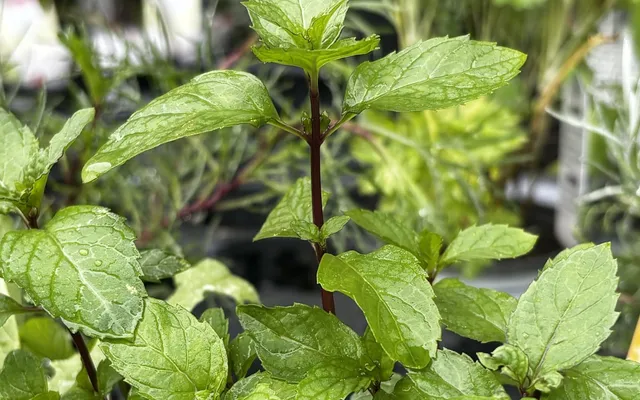
How to Grow Mint Indoors Without It Taking Over
Mint is the easiest herb to keep alive indoors and the easiest to regret planting with anything else. Containment, light, and the propagation trick that gives you endless mint for free.
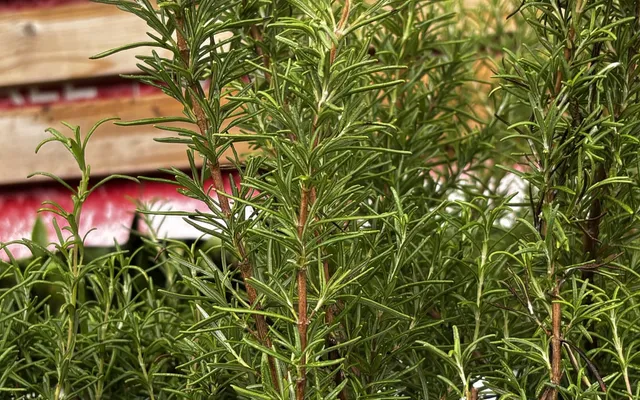
Windowsill Herb Garden: Which Herbs Suit Which Window Direction
North, south, east or west — each window direction suits a different set of herbs. Match your window to the right herbs instead of guessing and hoping.
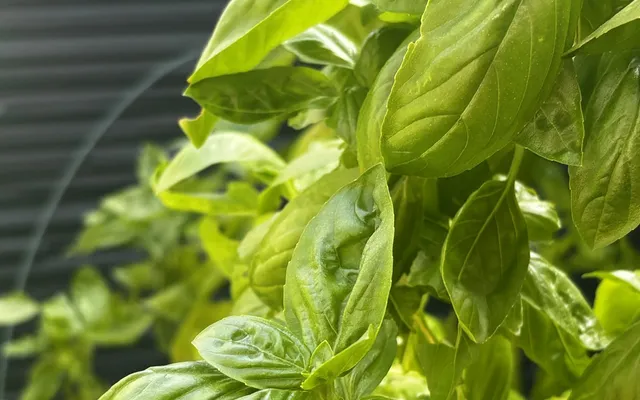
How to Grow Basil Indoors (and Keep It Alive Past Week Three)
Supermarket basil dies in about 20 days. Here is how to split it, repot it, light it and pinch it so a single pot keeps cropping for months.