How to Grow Cilantro Indoors (Without It Bolting in Two Weeks)
Cilantro is the one herb that goes to flower before most people get a second harvest. Cooler light, direct sowing and succession planting are the actual fix.
Cilantro has a reputation for dying indoors. It mostly doesn’t — it bolts. Within a few weeks of looking perfect, the center sends up a tall stem, small white flowers open, and every leaf left on the plant turns thin, feathery and bitter. That’s not a mistake you made. It’s cilantro’s whole life cycle, compressed by heat and long light into a couple of weeks instead of a couple of months.
You can’t talk a cilantro plant out of flowering. You can control when it happens, and you can stop treating one pot as your entire cilantro supply — which is the actual fix most people are missing.
Why cilantro doesn’t behave like basil or mint
Every other herb guide on this site is about keeping one plant going for months. Basil rewards regular pinching with a bushier plant that keeps producing for a season. Mint barely has an upper limit — the problem is containing it, not sustaining it. Cilantro runs on a different clock entirely: it’s a cool-season annual that’s genetically programmed to flower and set seed once it’s gotten enough warmth and daylight, and nothing you do to the plant after that point un-flowers it.
Wants it cooler
Heat is the single biggest trigger for early bolting — cilantro bolts faster than almost anything else grown on this site.
Sow it where it'll live
A long taproot resents being disturbed. Transplanting a seedling stresses it in exactly the way that pushes it toward flowering sooner.
Plan for a short run
One sowing gives a real harvest window of roughly three to four weeks, not a whole season. Succession sowing is how you get a constant supply.
Light and temperature: cooler than you’d guess for an herb
Most herbs on this site want the brightest, warmest spot available — see which herbs suit which window direction. Cilantro is the exception inside its own category. It behaves more like a cool-season leafy green than a Mediterranean herb:
- Bright light, but not the hottest spot you have. An east-facing window’s gentler morning sun suits cilantro better than a south or west sill that bakes by afternoon — the same east-window recommendation made in the window direction guide.
- Daytime temperature in the 60–70°F (15–21°C) range keeps it growing slowly enough to harvest from before it flowers. Sustained heat above about 75°F pushes bolting hard — the same threshold that pushes cool-season greens like lettuce and spinach to bolt, covered in temperature and humidity for an indoor vegetable garden.
- A grow light helps the same way it helps any low-light spot, but running it on a long daily schedule doesn’t just speed growth — long day length is itself one of the flowering triggers for cilantro. Twelve to fourteen hours is enough; stretching it further buys you nothing and may cost you time before it bolts.
Container and sowing: direct, and don’t go too small
Cilantro’s taproot is the reason it’s almost always recommended as a direct-sow crop rather than one you start in cells and transplant, which is the usual method for getting seedlings started indoors. Disturbing that root checks growth right when you want the plant settling in and putting out leaves.
- Sow straight into the pot it’ll live in. Skip the seed tray.
- A 6-inch (15cm) pot with drainage is enough depth — in line with the minimum for basil and parsley in the container and potting mix guide, which covers why wide matters as much as deep for these shallow-rooted herbs.
- Sow a pinch of seed per pot, not one seed. Cilantro “seed” is technically a dried fruit containing two seeds, and germination is inconsistent enough that a light scatter across the surface, covered with about 6mm (¼ in) of mix, reliably beats trying to place single seeds.
- Expect germination in roughly 7 to 10 days at 65–70°F — a touch faster than parsley, which shares the same depth and temperature range in the seed-starting guide.
6-inch pots with drainage holes (multi-pack)
Search current listings on Amazon Amazon (opens in a new tab, affiliate link)Search link, not a specific listing — buying several small pots at once makes the succession-sowing schedule below much easier than reusing one pot.
Succession sowing: the actual fix for “it keeps bolting”
A single cilantro sowing gives you a real, non-bitter harvest window of roughly three to four weeks before it starts flowering. Trying to stretch one pot past that point doesn’t work — the fix is to stop relying on one pot in the first place.
- Sow a new 6-inch pot every 2 to 3 weeks, on a rolling basis, rather than one large planting.
- Keep three pots going at once, staggered — one just sown, one actively harvestable, one starting to flower and due for replacement.
- The moment a pot bolts, let it go or pull it. Don’t wait for it to “come back” to leaf production; it won’t. Either let it finish flowering for seed (see below) or compost it and sow the next pot in its place.
This turns cilantro from “the herb I can’t keep leafy” into a small rotating system that happens to need restarting every few weeks — closer in spirit to how microgreens are grown on a repeating cycle than to how basil is grown as one long-lived plant.
Slow-bolt varieties worth seeking out
Ordinary cilantro and a slow-bolt cultivar follow the same basic rules above, but a slow-bolt variety buys you a meaningfully longer window before it flowers — worth it if you’d rather sow less often.
| Variety | Bred for | Notes |
|---|---|---|
| Santo | Standard, widely available | The default variety most seed racks carry if nothing else is specified. |
| Calypso Slow to bolt | Bred specifically for a longer leaf-production window | The usual first recommendation for an indoor grower fighting bolting. |
| Long Standing | Slow to bolt | Another widely sold slow-bolt type; similar logic to Calypso. |
| Vietnamese coriander (culantro) Different species | Heat-tolerant, not a true cilantro | A different plant entirely (Eryngium foetidum), with a similar flavor and far better heat tolerance — it won't bolt the way true cilantro does, but it's a serrated-leaf rosette, not a lookalike. |
General varietal information from common seed-catalogue descriptions, not a side-by-side grow comparison — seed availability and exact naming varies by supplier and season.
If a hot, bright windowsill is the only spot you have and you’ve struggled with true cilantro bolting fast every time, Vietnamese coriander is worth trying as a substitute rather than fighting the climate on a plant that was never going to like it.
Watering and feeding
Cilantro wants consistently moist soil — closer to spinach or lettuce than to a Mediterranean herb that likes a dry-down between waterings. Letting it dry out fully is itself a stress that can nudge it toward bolting sooner, on top of the usual wilting. The finger test and watering method in how to water indoor herbs and vegetables applies here without modification.
Feeding follows the same light-feeder default as other leafy herbs: nothing for the first few weeks, then a half-strength balanced liquid feed every two weeks once it’s established, per the full fertilizing guide. Given how short a single sowing’s productive life is, most pots are harvested out and replaced before feeding becomes a major factor either way.
Harvesting
Cut outer, older stems near the base rather than shearing the top or stripping leaves one at a time — the same cut-and-come-again principle used for lettuce, applied to an herb instead of a leafy green. New growth comes from the center, so taking outer stems first extends how long a single pot stays productive before it bolts anyway.
Common problems
It bolted within a couple of weeks of looking fine. Expected behavior, not a mistake — see the sections above on temperature, day length and succession sowing. The fix is sowing more often, not trying to extend one plant’s life.
Seedlings came up thin and leggy. A light problem, not a cilantro- specific one — see the first two weeks after germination for why light needs to go from “nearby” to “directly overhead” the moment green appears.
Leaves turned yellow before anything flowered. Check watering first — cilantro’s preference for consistently moist soil means both a missed watering and a soggy, undrained pot show up as yellowing fast. Yellow leaves on an indoor plant walks through telling the causes apart by pattern.
Fine webbing or stippled leaves. Spider mites, which favor the same dry indoor air that pushes cilantro toward stress in general. See common indoor plant pests for identification and treatment.
Frequently asked questions
Is cilantro the same plant as coriander? Yes — “cilantro” is the fresh leaf and stem, “coriander” usually refers to the dried seed used as a spice, and both names describe the same plant, Coriandrum sativum. In parts of the world outside North America, “coriander” is used for the fresh leaf as well.
Can I stop cilantro from ever bolting? No. Every true cilantro plant flowers eventually; slow-bolt varieties and cooler growing conditions only push that point later, they don’t remove it.
Is cilantro perennial — will one pot come back next season? No. It’s an annual that completes its life cycle — germination to flower to seed — in a single run, typically a couple of months indoors. A pot that’s bolted and gone to seed is finished; sow the next one rather than waiting on it.
Can I grow it from the cilantro sold in a grocery store bunch? Not reliably. Unlike basil, which splits and repots well from a supermarket pot, cut cilantro stems from a produce bunch rarely have roots attached and don’t propagate the way a basil or mint cutting does. Start from seed instead.
Where this fits
Cilantro follows the same light, watering and feeding fundamentals as every other herb on this site — window direction, containers and potting mix, and watering all apply without much modification. The one thing that’s genuinely different is the timeline: plan for a rotating few pots on a few weeks’ cycle, not one plant you expect to keep for a season, and most of the “why did my cilantro die” frustration stops being a mystery.
Filed under Herbs. Questions or a correction? Get in touch.
Keep reading

How to Grow Parsley Indoors (the Herb Already in Nine Other Guides)
Parsley turns up in nine other guides on this site and has never had its own. Variety choice, slow germination, and growing it as an annual instead of fighting its biennial clock.
How to Grow Chives Indoors (the Shade-Tolerant Herb Already on This Site)
Chives tolerate the darkest window of any common herb and come back for years. Seed vs. division, light, feeding, and the snip-and-regrow harvest that keeps a clump going.
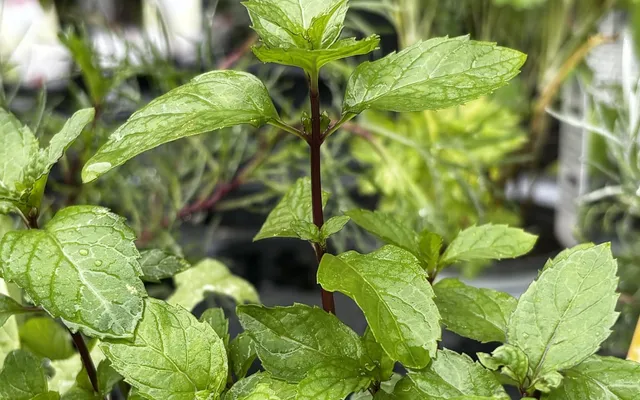
How to Grow Mint Indoors Without It Taking Over
Mint is the easiest herb to keep alive indoors and the easiest to regret planting with anything else. Containment, light, and the propagation trick that gives you endless mint for free.