Windowsill Herb Garden: Which Herbs Suit Which Window Direction
North, south, east or west — each window direction suits a different set of herbs. Match your window to the right herbs instead of guessing and hoping.
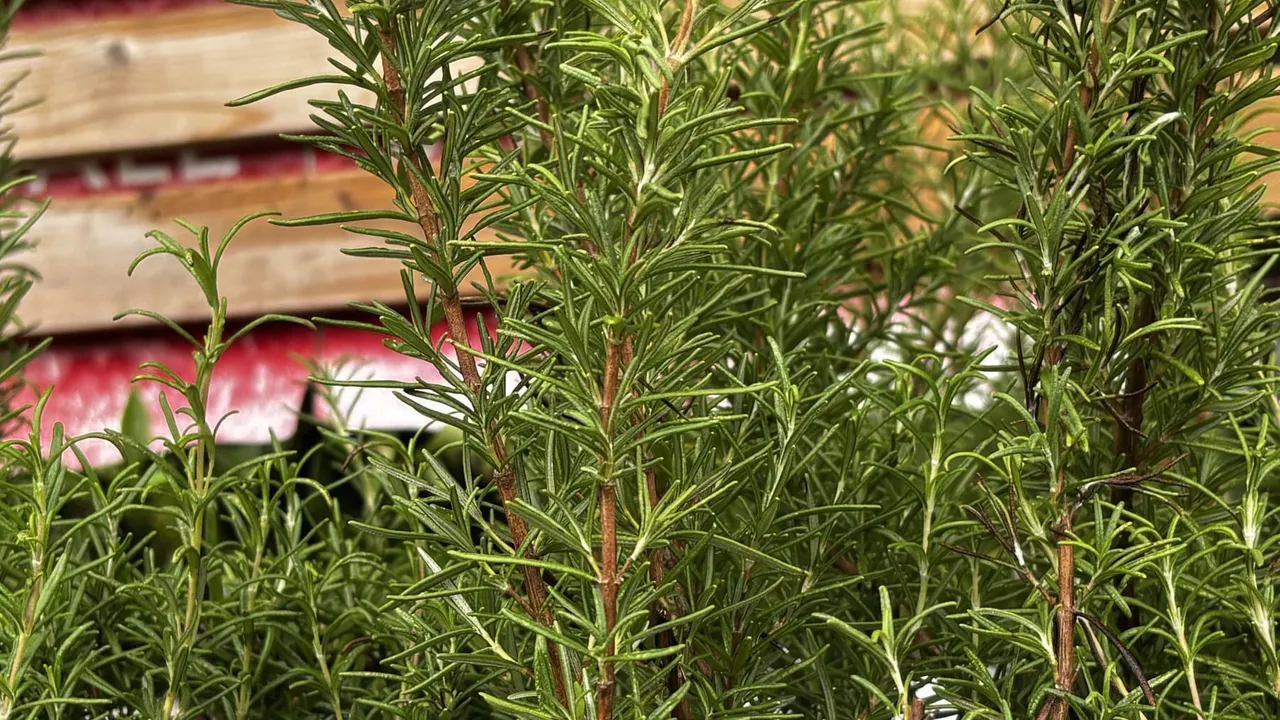
The herb that thrives on your friend’s south-facing sill can sulk for months on your east-facing one — not because you’re doing anything wrong, but because it’s the wrong herb for that window. Match the herb to the direction first, and most of the usual struggling stops.
The four directions at a glance
| Direction | Typical light | Best herbs |
|---|---|---|
| South Most options | 6+ hours direct sun | Basil, rosemary, thyme, oregano |
| West | 4–6 hours, hot afternoon sun | Rosemary, thyme, oregano, basil (watch heat) |
| East | 3–5 hours, gentler morning sun | Parsley, chives, mint, cilantro |
| North | Bright indirect, little direct sun | Mint, chives (or add a grow light) |
South-facing: the most forgiving window
A south-facing sill gets the most direct sun of any orientation and supports nearly every common herb, including the Mediterranean herbs that struggle everywhere else.
Grow here: basil, rosemary, thyme, oregano, sage, marjoram. These herbs evolved in hot, sun-baked, relatively dry conditions — a bright south window is the closest thing most homes offer to that.
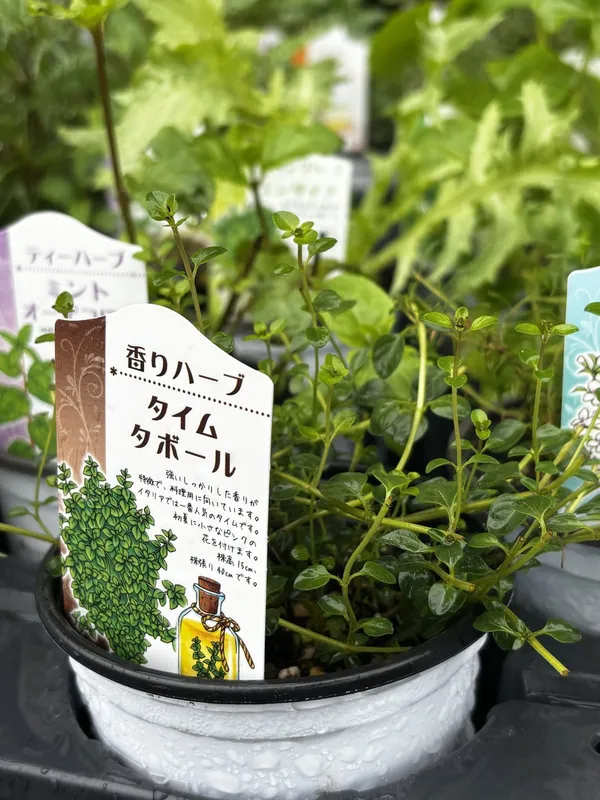
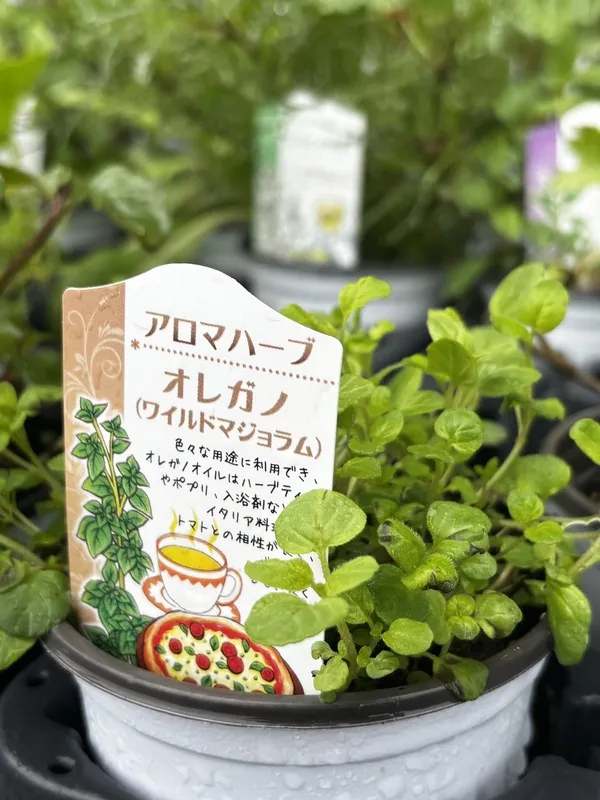
Watch for: in peak summer, a south window can run hot enough to stress even sun-loving herbs. If leaves look bleached or crispy at the edges despite regular watering, move the pot a little further from the glass rather than assuming it needs more light.
West-facing: strong but late
West windows get their strongest light in the afternoon and evening — often just as intense as a south window, but for fewer hours and later in the day.
Grow here: the same Mediterranean herbs that like south windows — thyme, oregano, rosemary — generally do well here too. Basil can work but watch it closely in summer; afternoon heat through west-facing glass is often the most intense heat a windowsill sees all day.
Watch for: the gap between “bright” and “hot” is smaller here than on any other orientation. Herbs that wilt by late afternoon and recover by morning are telling you the afternoon sun is too intense for their current position.
East-facing: gentle and forgiving
East windows get morning sun, which is generally cooler and less intense than afternoon sun for the same number of hours — a genuinely easier condition for herbs that don’t want full Mediterranean-style blast.
Grow here: parsley, chives, mint, cilantro. These herbs prefer consistent moisture and don’t want to bake, which makes a gentler morning window a better fit than a hot south or west sill.
Watch for: cilantro bolts (flowers and turns bitter) fast in heat, so an east window is usually the best of the four directions for it — but even here, keep it away from any midday heat spike.
North-facing: the hardest, not the impossible
A north-facing window gets bright, indirect daylight but very little direct sun. Most herbs will survive here, but few will thrive without help.
Grow here without extra help: mint and chives are the most shade-tolerant common herbs, and can produce reasonably well in bright indirect light.
Everything else needs a grow light. Basil, rosemary and the other sun-lovers will get leggy and weak on a north sill over time. If a north window is what you have, a clip-on grow light — hung at the right distance — turns a north window from your worst option into a fully workable one, and it’s the cheapest fix on this entire list relative to how much it changes what you can grow.
If you’re not sure which direction you have
Stand at the window at midday with a compass app (most phones have one built in) and check which way you’re facing. If that’s inconvenient, watching when the window gets its brightest direct light tells you the same thing: morning brightness means east, all-day brightness means south, late-day brightness means west, and consistently flat, shadowless light all day with no strong direct beam at any point usually means north.
For a more precise read on exactly how much light a spot gets, see our guide to measuring light in lux — the same five-minute method works for herbs as well as vegetables.
Putting it together
Match the herb to the window you actually have, not the window you wish you had. A mint plant on a south sill and a rosemary plant on a north sill will both underperform — not because either herb is difficult, but because they’re each in the wrong place. Swap them, or swap what you’re growing, and most “I can’t keep herbs alive” problems resolve without changing anything else.
Filed under Herbs. Questions or a correction? Get in touch.
Keep reading
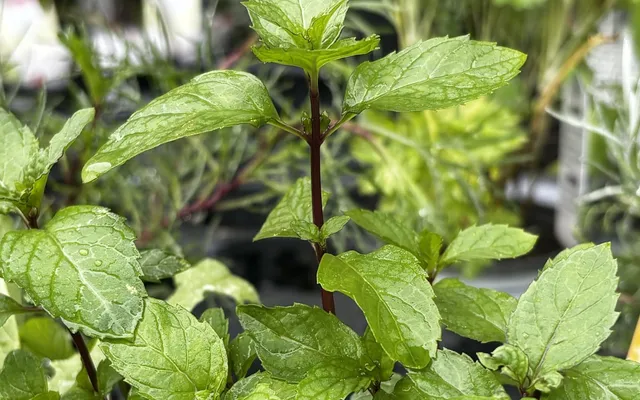
How to Grow Mint Indoors Without It Taking Over
Mint is the easiest herb to keep alive indoors and the easiest to regret planting with anything else. Containment, light, and the propagation trick that gives you endless mint for free.

Why Your Indoor Basil Keeps Dying: 7 Causes, by Symptom
Basil is the hardest common herb to keep alive indoors. Work backwards from what you actually see on the plant to the seven most likely causes and their fixes.
How to Grow Basil Indoors (and Keep It Alive Past Week Three)
Supermarket basil dies in about 20 days. Here is how to split it, repot it, light it and pinch it so a single pot keeps cropping for months.