How to Grow Mint Indoors Without It Taking Over
Mint is the easiest herb to keep alive indoors and the easiest to regret planting with anything else. Containment, light, and the propagation trick that gives you endless mint for free.
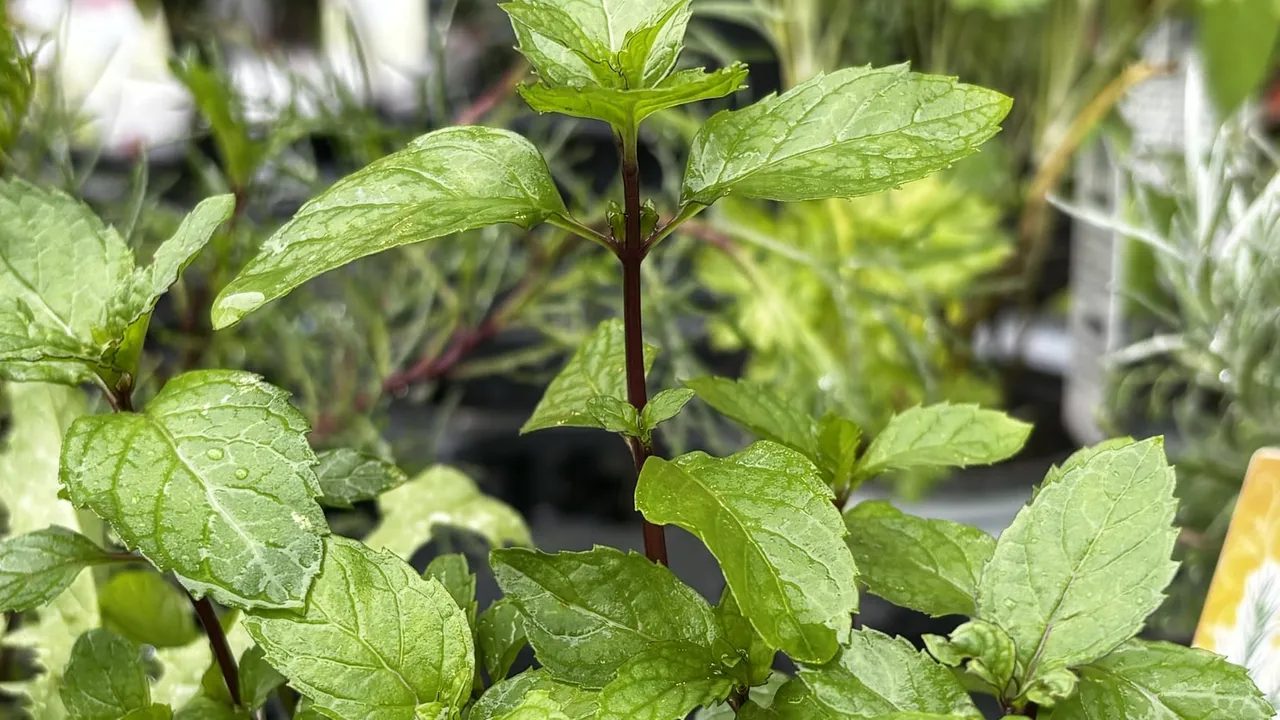
Mint is the one herb on this site you almost can’t kill by neglect. It’s also the one herb that will quietly ruin every other plant sharing its pot. Growing it well indoors isn’t about keeping it alive — it’s about keeping it contained.
Why mint is different from every other herb here
Every other herb guide on this site is mostly about giving a plant enough of something — light, water, room. Mint doesn’t have that problem. It tolerates lower light than basil, forgives inconsistent watering better than most herbs, and actively wants to spread. The entire challenge with mint indoors is management, not survival.
This also makes it the best entry-level herb for anyone who has struggled with everything else — see what suits a north-facing window if that’s the spot you have, since mint is one of the few herbs that genuinely works there.
Light and location
Mint tolerates the widest range of light of any herb covered on this site — from bright indirect light up through several hours of direct sun. It’s one of the two herbs (alongside chives) recommended for a north-facing window in our window direction guide, and it also does perfectly well on a brighter east or south sill if that’s what’s available.
The tradeoff for tolerating low light is slower growth in dimmer spots — it survives on a north window, but grows noticeably faster with more light, same as anything else.
Container: mint’s actual requirement
One pot, mint only, no exceptions. An 8-inch (20cm) pot with drainage holes is a reasonable size to start. If you’re growing mint alongside other herbs on the same windowsill, that’s fine — just keep it in a physically separate container, not sharing soil with anything else.
If you’ve ever heard that mint “took over the garden,” that’s the rhizome spread doing exactly what it does — the fix indoors is simply never giving it the chance by keeping it isolated from the start.
Watering
More forgiving than basil in both directions. Mint likes consistently moist (not waterlogged) soil, and tolerates the occasional missed watering far better than it tolerates drying out completely and repeatedly. If you’re someone who forgets to water on schedule, mint is a considerably safer bet than basil.
Varieties worth knowing
Peppermint and spearmint are the two most common and most reliable indoors — both are widely available, both grow vigorously, and the flavor difference (peppermint sharper and more menthol, spearmint milder and sweeter) comes down to what you plan to use it for. Tea and desserts lean toward spearmint; anything wanting a stronger cooling bite leans toward peppermint.
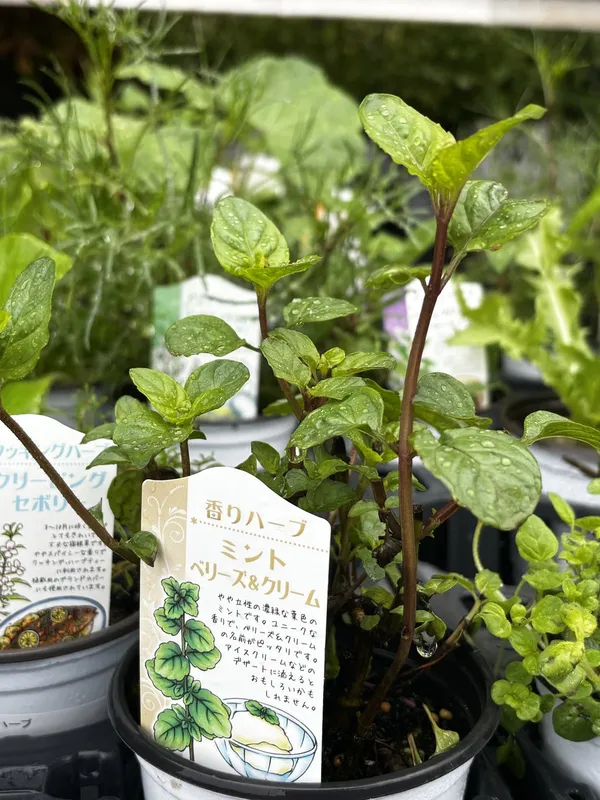
Specialty mints (chocolate mint, apple mint, pineapple mint) exist and grow just as easily, but they’re a fun-flavor choice rather than a performance upgrade — pick one because the flavor appeals to you, not because it grows differently indoors.
Harvesting and keeping it bushy
Pinch stem tips regularly, the same principle as basil — it encourages branching instead of one plant reaching for height. Unlike basil, mint is fairly forgiving if you let a stem get long and leggy; cut it back hard and it typically recovers and rebranches from lower on the stem.
Harvest by cutting stems rather than stripping individual leaves — a stem cut a few inches from the tip regrows from that point, which is what keeps a single pot productive for months.
The propagation trick: free mint forever
Mint roots from cuttings faster and more reliably than almost any other herb. Cut a 4–6 inch (10–15cm) stem, strip the lower leaves, and stand it in a glass of water on the windowsill. Roots typically appear within one to two weeks. Once roots are a couple of inches long, pot it up in its own container.
This means a single mint plant can restock itself indefinitely, or supply enough cuttings to give away — there’s rarely a reason to buy mint twice.
Common problems
Leggy, sparse growth — even mint has a light floor. If it’s on a dim spot and growth has slowed to a crawl, it’s at the edge of what it can tolerate; move it somewhere brighter or add a grow light.
Powdery mildew (a white, dusty coating on leaves) — more common on mint than most other indoor herbs, usually caused by still, humid air with poor circulation. Increase airflow around the plant — a small fan on low, run for a few hours a day, generally solves this.
Spider mites — mint isn’t immune to the same pests as everything else indoors; see common indoor plant pests for identification and treatment if you spot stippled leaves or fine webbing.
It’s spreading in the pot and looking crowded — normal, and easily fixed. Every year or two, tip the whole root mass out, divide it into two or three sections, and repot the healthiest section into fresh soil. Share or compost the rest.
Filed under Herbs. Questions or a correction? Get in touch.
Keep reading

Why Your Indoor Basil Keeps Dying: 7 Causes, by Symptom
Basil is the hardest common herb to keep alive indoors. Work backwards from what you actually see on the plant to the seven most likely causes and their fixes.
Windowsill Herb Garden: Which Herbs Suit Which Window Direction
North, south, east or west — each window direction suits a different set of herbs. Match your window to the right herbs instead of guessing and hoping.
How to Grow Basil Indoors (and Keep It Alive Past Week Three)
Supermarket basil dies in about 20 days. Here is how to split it, repot it, light it and pinch it so a single pot keeps cropping for months.